Processed Foods in Lunch and Dinner
February 2026
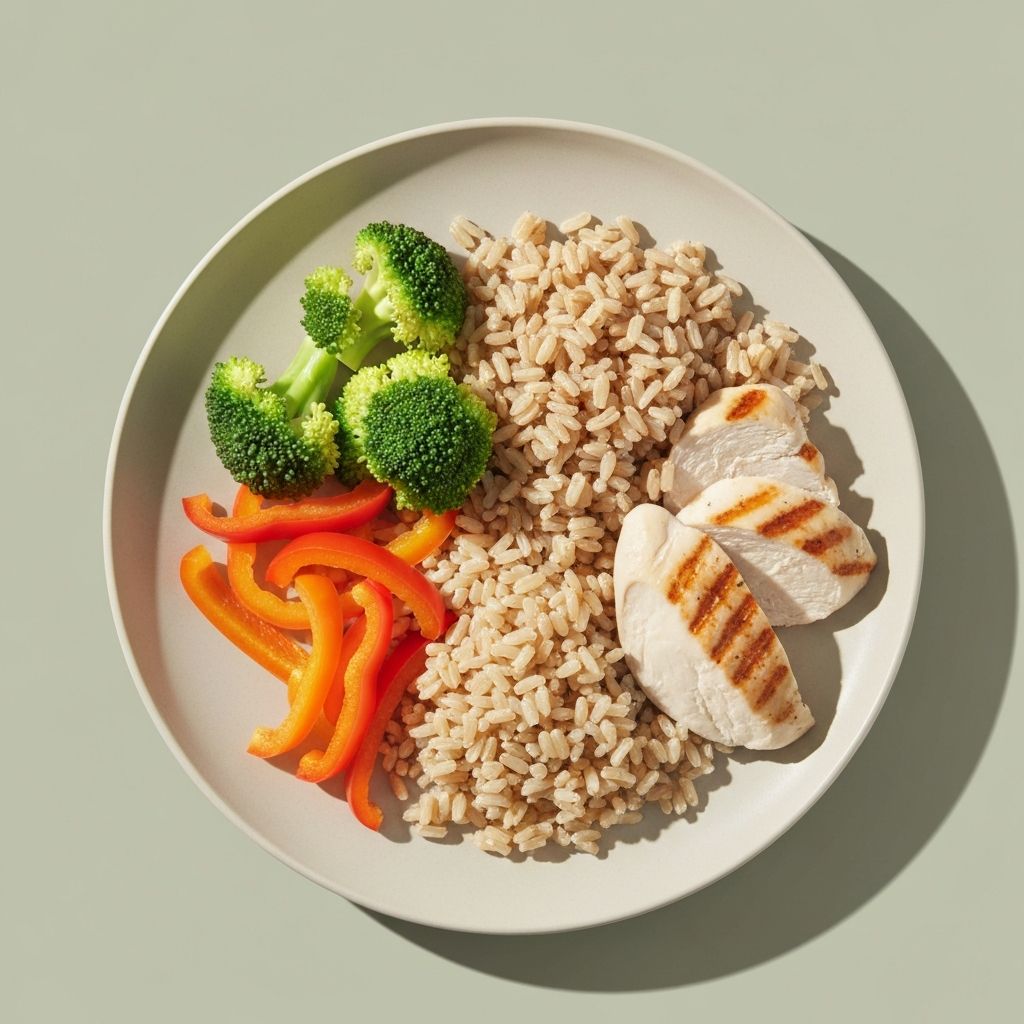
Understanding Processed Foods in Main Meals
Processed foods appear frequently in lunch and dinner meals across various cultures and dietary patterns. These foods have undergone some degree of alteration from their natural state through methods like cooking, canning, freezing, or ingredient additions.
The category of processed foods is diverse, ranging from minimally processed items like frozen vegetables to more extensively processed products like prepared sauces, packaged grains, and convenience meals.
Examples of Processed Foods in Lunch
Common lunch items that fall into the processed category include sliced bread, canned soups, packaged sandwich meats, cheese products, and prepared salad dressings. These items have been altered from their original agricultural form.
A typical processed food lunch might include a sandwich made with sliced bread and deli meats, accompanied by packaged chips or crackers. Many workplace lunches incorporate processed convenience items due to time constraints and storage limitations.
Minimally Processed Lunch Items
Some lunch components are only lightly processed. Examples include frozen vegetables that are later steamed, canned beans that are rinsed and heated, or pasteurized dairy products. These retain much of their nutritional value despite processing.
More Extensively Processed Lunch Items
Other lunch options undergo more significant processing. Pre-made sandwiches, instant noodle cups, and ready-to-eat meals typically contain multiple added ingredients including preservatives, flavor enhancers, and texture modifiers.
Examples of Processed Foods in Dinner
Dinner meals commonly incorporate processed items such as pasta, rice products, canned tomatoes, frozen proteins, prepared sauces, and packaged seasonings. Many home-cooked dinners combine fresh ingredients with processed convenience items.
A typical dinner might include pasta from a package, sauce from a jar, and frozen vegetables, combined with fresh proteins. This combination reflects how processed and fresh foods often appear together in evening meals.
Dinner Convenience Products
Frozen dinner entrees, meal kits with pre-portioned ingredients, and ready-to-heat products represent more processed dinner options. These items prioritize convenience and extended shelf life through various preservation methods.
Cooking Aids and Flavor Components
Many dinner preparations incorporate processed cooking aids like bouillon cubes, seasoning packets, and bottled sauces. These products add flavor and reduce preparation time but contain ingredients beyond single whole foods.
Processing Methods in Main Meal Foods
Processing methods for lunch and dinner foods include canning, freezing, drying, fermenting, and adding preservatives. Each method affects the food differently in terms of nutritional content, shelf life, and taste characteristics.
Canning involves high heat to preserve foods in sealed containers. Freezing preserves foods at low temperatures. Drying removes moisture to prevent spoilage. These methods allow foods to be stored and transported over long distances and time periods.
Nutritional Variations in Processed Main Meal Foods
The nutritional profile of processed foods varies significantly. Some retain substantial nutritional value, while others may have reduced nutrient density due to ingredient removal or dilution with added components.
Frozen vegetables often retain nutrients well compared to some fresh produce that has been stored for extended periods. However, products with significant added sodium, sugars, or fats may have altered nutritional profiles compared to their whole food counterparts.
Cultural Variations in Processed Food Use
The types and amounts of processed foods used in lunch and dinner vary considerably across cultures and geographic regions. Some cuisines traditionally incorporate fermented or preserved ingredients, while others emphasize fresh preparation.
Economic factors, climate, food distribution systems, and cultural preferences all influence which processed foods appear in typical meals. Urban versus rural settings also show different patterns of processed food use.
The Role of Convenience
Processed foods in lunch and dinner often serve convenience functions, reducing preparation time and eliminating certain cooking steps. This can be particularly relevant for individuals with limited time for meal preparation.
Pre-washed salads, pre-cut vegetables, and pre-cooked proteins exemplify how processing can reduce kitchen labor while maintaining reasonable nutritional value.
Educational Context
This article provides educational information about processed food options in lunch and dinner meals. It does not constitute dietary advice or personalized nutrition recommendations.
Individual nutritional needs and appropriate food choices vary based on numerous personal factors. This information is descriptive rather than prescriptive.
Consult qualified professionals for guidance specific to your circumstances.